

How Far We've Come
Bitcoin Since COVID, Mt. Gox, and Silk Road
Welcome to The Bitcoin Binge Letter!
Bitcoin is up more than 10% since January lows near $33,000. The world’s largest cryptocurrency is now approaching 14 consecutive months above $30,000.
Don’t let volatility fool you—bitcoin is establishing higher lows. $30,000 remains long term support level but it is strengthening support around $38,000.
$38,000 is now the price at which most investors have either bought or sold bitcoin and, as bitcoin hangs around $38k, that means more trading activity will occur there.
After a slight jump to the mid $40,000s following the Russian invasion of Ukraine, bitcoin retraced to current levels and I don’t feel it’s ready to take back $42,000.
Zoom Out 2 Months
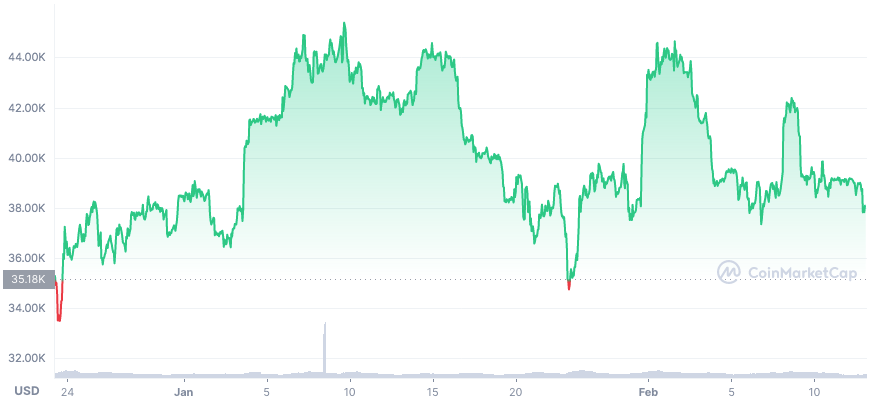
Bitcoin is now two months out from January lows near $33,000. Inflation, global conflicts, or governments threatening to ban bitcoin hasn’t deterred investors.
Zoom Out 2 Years
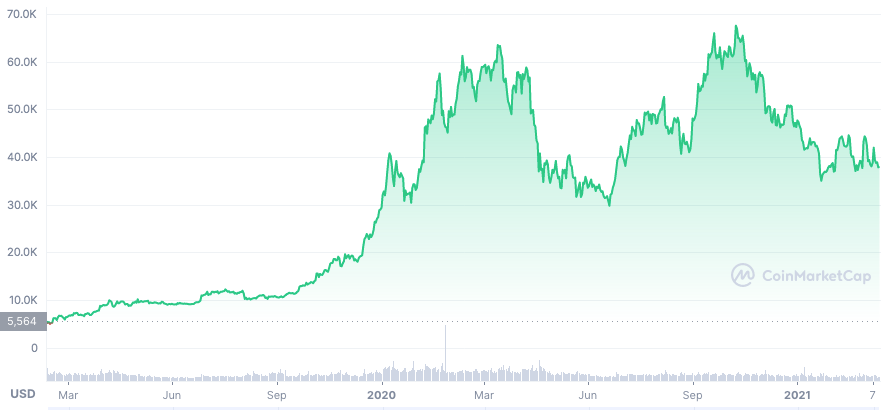
Bitcoin is up ~1,000% since March 2020 lows. Along with traditional markets, bitcoin plunged in mid-March 2020 following initial news around the global pandemic.
On some exchanges, bitcoin dropped to as low as $3,600. It may be trading at 50% of its all-time high prices near $70,000 but bitcoin has come a long way in 2 years.
Zoom Out 8-11 Years
8 years ago, within a matter of weeks, a now infamous bitcoin exchange shuttered its doors. Here’s an in-depth look at bitcoin during the rise and fall of Mt. Gox.
MagicalTux
On February 24, 2014, the world’s largest bitcoin exchange suspended trading.
The exchange, Mt. Gox, processed an estimated 80 percent of all global bitcoin transactions. They’d suspended trading and withdrawals several times throughout 2013 and things got worse as time wore on.
Mt. Gox was the most powerful bitcoin exchange in the world but it was a patch work organization, incapable of handling the volume of transactions that were flowing through its systems. It was unreliable and yet it was still the premier on and off-ramp for anyone buying and selling bitcoin. This wasn’t always the case though.
Jed McCaleb
A computer programmer named Jed McCaleb set up the website for Mt. Gox to trade Magic: The Gathering cards. Just as soon as the site was up and running though, McCaleb lost interest. He ran a test version of the trading card site before letting it lay dormant for almost three years.
Then, in mid-2010, McCaleb read about bitcoin in an online forum, dusted off the domain name, and mtgox.com was reborn as a bitcoin exchange.
Rise of Mt. Gox
By early 2011, Mt. Gox had grown in popularity but the site’s success came with challenges. The site hit a point where the number of daily bitcoin traded on the exchange topped 10,000.
Mt. Gox was a hit but McCaleb ran into customer service issues like disputed transactions and requests for refunds that ate up precious time and energy.
The process to buy and sell bitcoin using dollars was clunky and took time.
It wasn’t just logistical issues around customer payments either. As bitcoin grew in popularity, government regulation became a topic of concern for McCaleb and his customers. Questions over the exchange’s legality loomed large, ever present on McCaleb’s mind. Mt. Gox was becoming more than he wanted to deal with.
He needed a way out.
Mark Karpeles
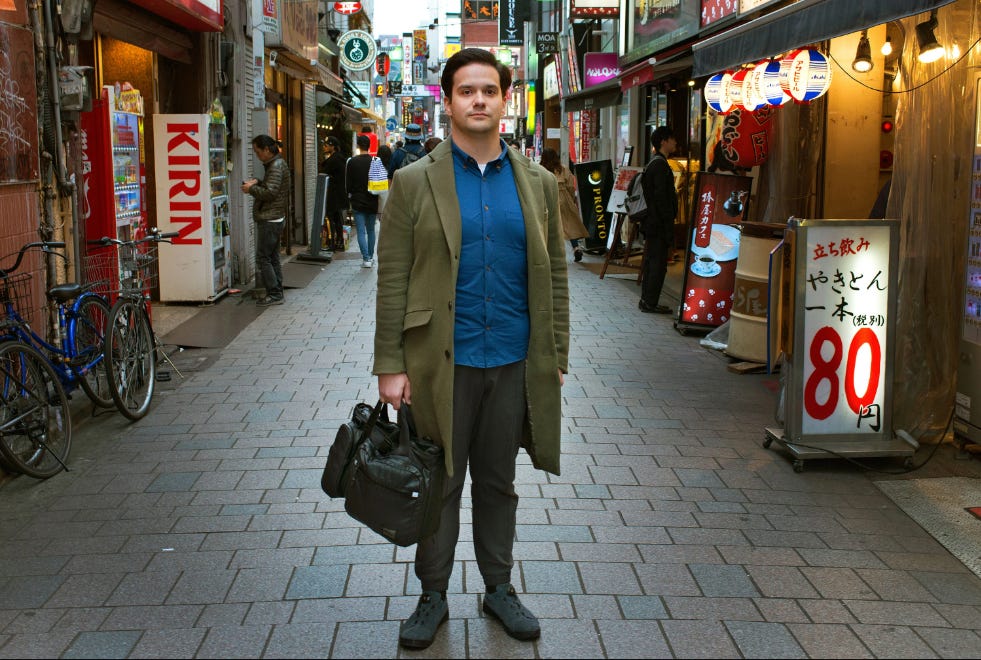
McCaleb found a willing buyer for Mt. Gox in Mark Karpeles. Born in France but then living in Japan, Karpeles went by the online alias “MagicalTux.”
Familiar with bitcoin, he’d founded a company called Tibanne Co. Ltd. that focused on bitcoin-related technology.
Karpeles was a recluse, more comfortable in front of a computer keyboard than anywhere else. His company, Tibanne Co. Ltd., was named in honor of his cat, Tibanne. He was tech-savvy but lacked any foundational business education.
Karpeles started programming in BASIC at the age of five. A gifted child, his mother recalls him grasping new concepts the first time he encountered them. He lacked an ability to stick with them though and he wasn’t one for practice.
Mark, or Robert, as was his family name, struggled in school despite his gifted abilities. He failed his second to last year of high school and found himself diving further into computer programming. His real education would take place on his own terms and at his own pace. School didn’t work out. Instead, he taught himself PHP, a general computer scripting language, and tried to start his own server company in Israel. After the venture didn’t take off, he found a job at a software company in Japan.
Karpeles was tight-lipped about himself to the rest of the world. In Japan, he had a wife and child but you wouldn’t know it by his social media accounts. More often than not, you’d instead find Karpeles posting about his cat Tibanne or admiring the Tokyo skyline.
In February 2011, Karpeles bought Mt. Gox from McCaleb on terms that included no upfront money.
McCaleb did, however, retain a minority stake in the company moving forward and requested 50 percent of the profits for the first six months after the sale. The two drew up a contract without lawyers, going back and forth online over the details.
Within a month of Karpeles taking over Mt. Gox, the price of bitcoin hit $1.
Charlie Shrem
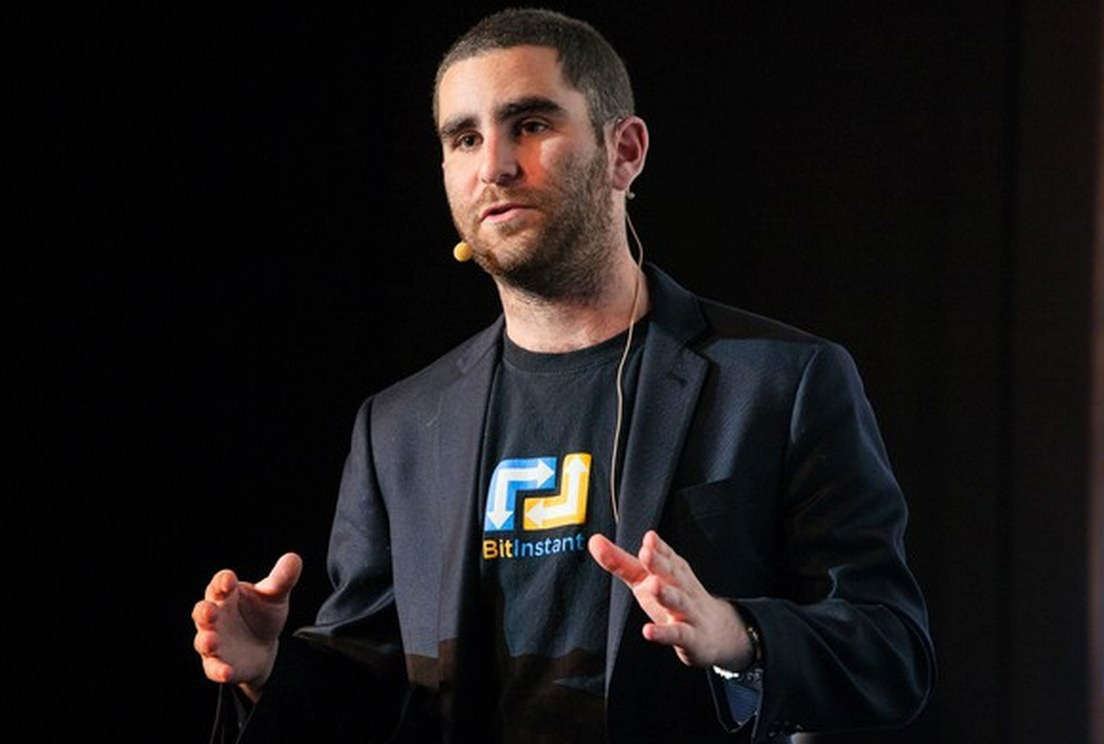
In the United States, a company by the name of BitInstant operated similarly to Mt. Gox. BitInstant was a bitcoin exchange, allowing customers to trade bitcoin.
Two young men on opposite ends of the world soon became responsible for overseeing the vast majority of all bitcoin transactions the network had to offer.
But, BitInstant suffered from the same problems that plagued Mt. Gox. Shrem was just 21-years-old when he started the company. He’d bought bitcoin as a senior in college and lost it all when the exchange he used to buy the bitcoin crashed. Like many other bitcoiners, Shrem knew there had to be a better way for people to buy it.
He started BitInstant with a $10,000 loan from his mother. Soon after, he received a much needed angel investment from another rising name in the bitcoin space: Roger Ver was often referred to as “Bitcoin Jesus.”
Roger Ver
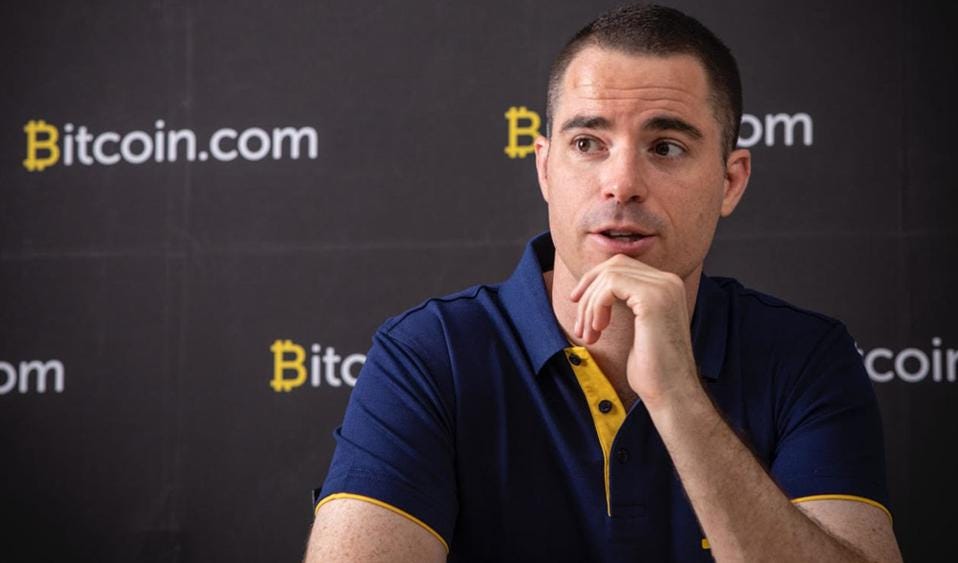
Ver talked about bitcoin every chance he got. He was older than Shrem and brought with him a fierce interest in bitcoin and a decade worth of business experience. He was also a staunch Libertarian with anarchist tendencies. Ver wore his personality on his sleeve. Love him or hate him, you had to appreciate his tenacity. Plus, Ver was friends with another BitInstant employee named Erik Voorhees.
Bitcoin was still a fringe asset at the time, appealing mostly to techies like Karpeles and Shrem and Libertarians like Ver and Voorhees.
McCaleb, who was offloading Mt. Gox to Karpeles, fell on the tech side of the spectrum, openly asking other bitcoiners online to tone down the Libertarian rhetoric. He, like many others, was of the opinion that bitcoin didn’t need to be cast against the U.S. dollar and other state currencies.
Prior to bitcoin, Roger Ver ran a tech company called MemoryDealers that sold computer hardware online. In 2002, in a move that fit his defiant personality, he sold some fireworks using the online marketplace eBay. It was illegal to do so and Ver wound up serving 10 months in federal prison. He was steadfast in his belief that the government ought to have little say in the lives of its citizens.
By the time bitcoin came around, it was an obvious choice for Ver. He liked that it wasn’t backed or created by the government. Ver also appreciated bitcoin’s ability to be sent anywhere in the world in an instant, for little to no fees. If you interacted with Ver, he brought up bitcoin. He would often offer taxi drivers payment in bitcoin.
By 2011, Ver wanted to become a bigger investor in the bitcoin space. He invested $150,000 in Shrem’s company BitInstant.
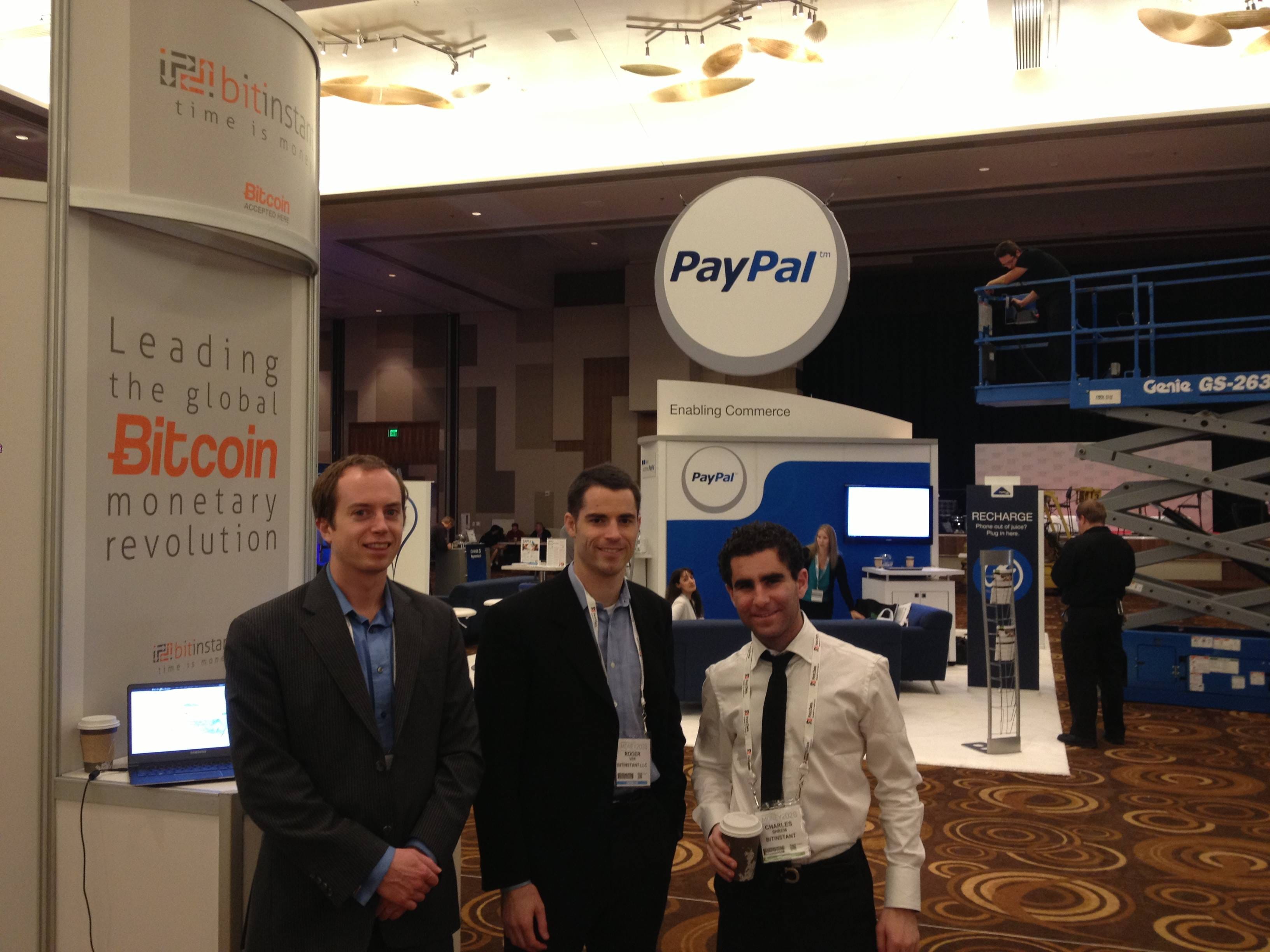
Ver was the more rebellious of the two and encapsulated a side of Shrem that he could only dream of. Shrem’s home life was a far cry from that of Ver’s.
Shrem grew up in a tight-knit Syrian Jewish community in Brooklyn, New York. His father was a jeweler and his parents stressed the value of a dollar any chance they got.
In high school, he ran a successful computer repair business. When he turned 18, Shrem got a credit card and failed to remember his parents’ advice, quickly maxing it out. He had an adventurous spirit which, combined with his technical brilliance, would prove dangerous during his time running BitInstant.
Shrem, Ver, and Karpeles were on the cutting edge of an industry. They knew that this was a once in a lifetime chance to strike gold before anyone else.
Rapid Growth
Mt. Gox and BitInstant grew rapidly between 2011 and 2013. While the price of bitcoin hit $1 around the time Karpeles took over Mt. Gox, it gained 3,000% and shot up to $30 by June 2011.
Ver grew excited by the attention bitcoin was getting and started accepting bitcoin as payment at his company MemoryDealers. It was the first online business to offer bitcoin as a payment option.
Speedbumps
Meanwhile, at Mt. Gox, the first signs that Karpeles was in over his head were starting to show. In June 2011, the bitcoin exchange experienced its first hack.
An anonymous hacker broke into Mt. Gox’s database and gained control over close to 500 customer accounts. The hacker was able to change the price of bitcoin to $0.01 on the exchange and began buying cheap bitcoins at the artificially deflated price. Even when the hack appeared to come to an end, what Karpeles and the company had done to resolve the situation remained unclear.
The exchange got hit with another hack in October. Because Mt. Gox was responsible for so much global trading volume, any issues they experienced injected panic into the bitcoin markets.
Bitcoin was gaining traction all over the world while Mt. Gox struggled to keep up. None of this stopped bitcoin from going up in price though. The rapid price appreciation covered up some of the inconsistencies displayed at Mt. Gox.
Gov’t Attention
Starting 2013 at $13, bitcoin rose to a high of $230 that summer. As it did, Mt. Gox was treading water. On top of the increased trading volume they had to handle, the exchange was under pressure from banks and regulators.
Karpeles feared they wouldn’t be able to remain open and had to halt withdrawals and deposits on several occasions. Even though Mt. Gox was located in Tokyo, Japan, American customers brought with them the spotlight of U.S. regulators.
In 2013, Mt. Gox had millions of dollars seized by the U.S. Department of Homeland Security. Karpeles was overwhelmed.
The Winklevii
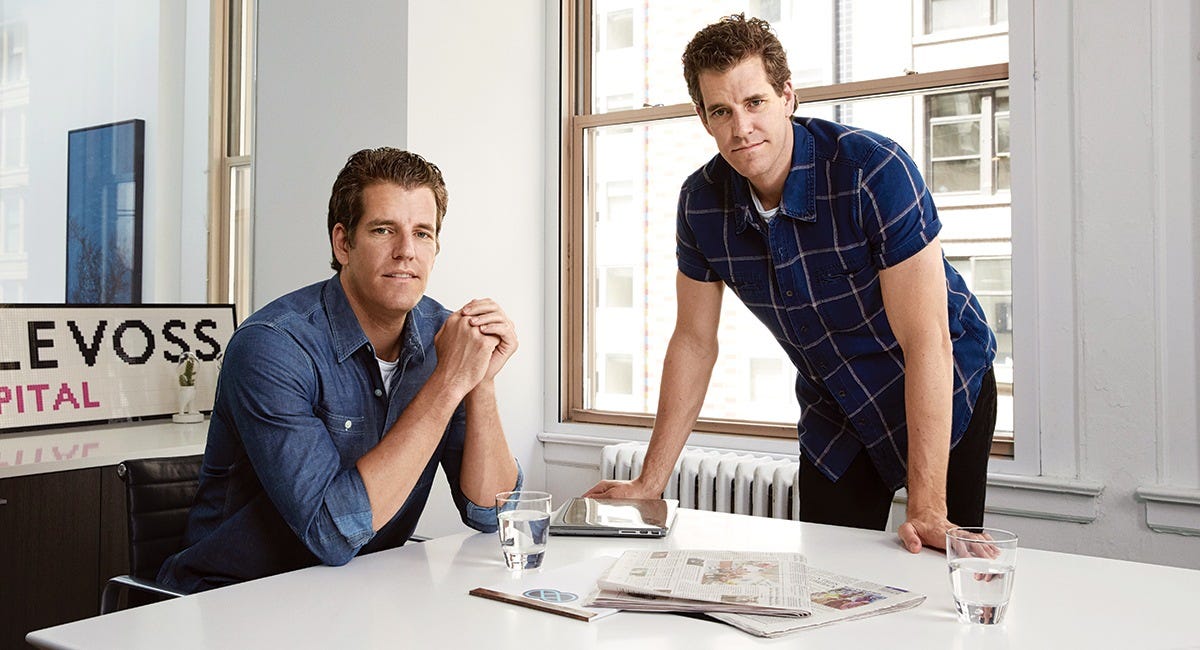
Over at BitInstant, Charlie Shrem was experiencing the same problems. In May 2013, however, Shrem received a $1.5 million investment from Winklevoss Capital, an investment firm founded by Tyler and Cameron Winklevoss.
The twins, often referred to as the Winklevii, were more known to the outside world as the other end of “The Facebook Story” opposite Mark Zuckerberg.
In bitcoin circles though, the Winklevoss twins were making a name for themselves.
Soaking up all the information the internet had to offer, they soon met with Shrem and his partners at BitInstant to learn more. Even before the angel investment in BitInstant, the Winklevoss twins started buying bitcoin themselves.
Throughout 2013, the twins invested upwards of $10 million in bitcoin, at one point laying claim to more than one percent of the total supply.
Dread Pirate Roberts
By October 2013 though, the price of bitcoin retreated to $100. And, if Mt. Gox and BitInstant weren’t enough chaos for the burgeoning bitcoin ecosystem, there was another, more infamous operation related to bitcoin making headlines. It wasn’t a bitcoin exchange but the Silk Road did facilitate bitcoin payments for goods and services, namely illegal drugs from marijuana to heroin and other items like counterfeit passports and currencies.
Silk Road was like an eBay or Amazon marketplace for drugs. It allowed buyers and sellers to connect anonymously and complete transactions.
The website itself didn’t sell anything. It just played middle man in matching a buyer and seller. The whole process was anonymous and yet it worked.
Proof of Concept
To many bitcoiners, like the Winklevoss twins, the Silk Road represented an unfortunate side of the bitcoin world that needed to be addressed.
The growing cryptocurrency couldn’t go mainstream when it was attracting the attention of regulators and now drug enforcement agencies for all the wrong reasons.
To the twins, Silk Road was a blight on the otherwise promising bitcoin network. The darknet marketplace was something that bitcoin should not be associated with.
To others, Silk Road was proof of concept—bitcoin worked as a digital currency.
Ross Ulbricht
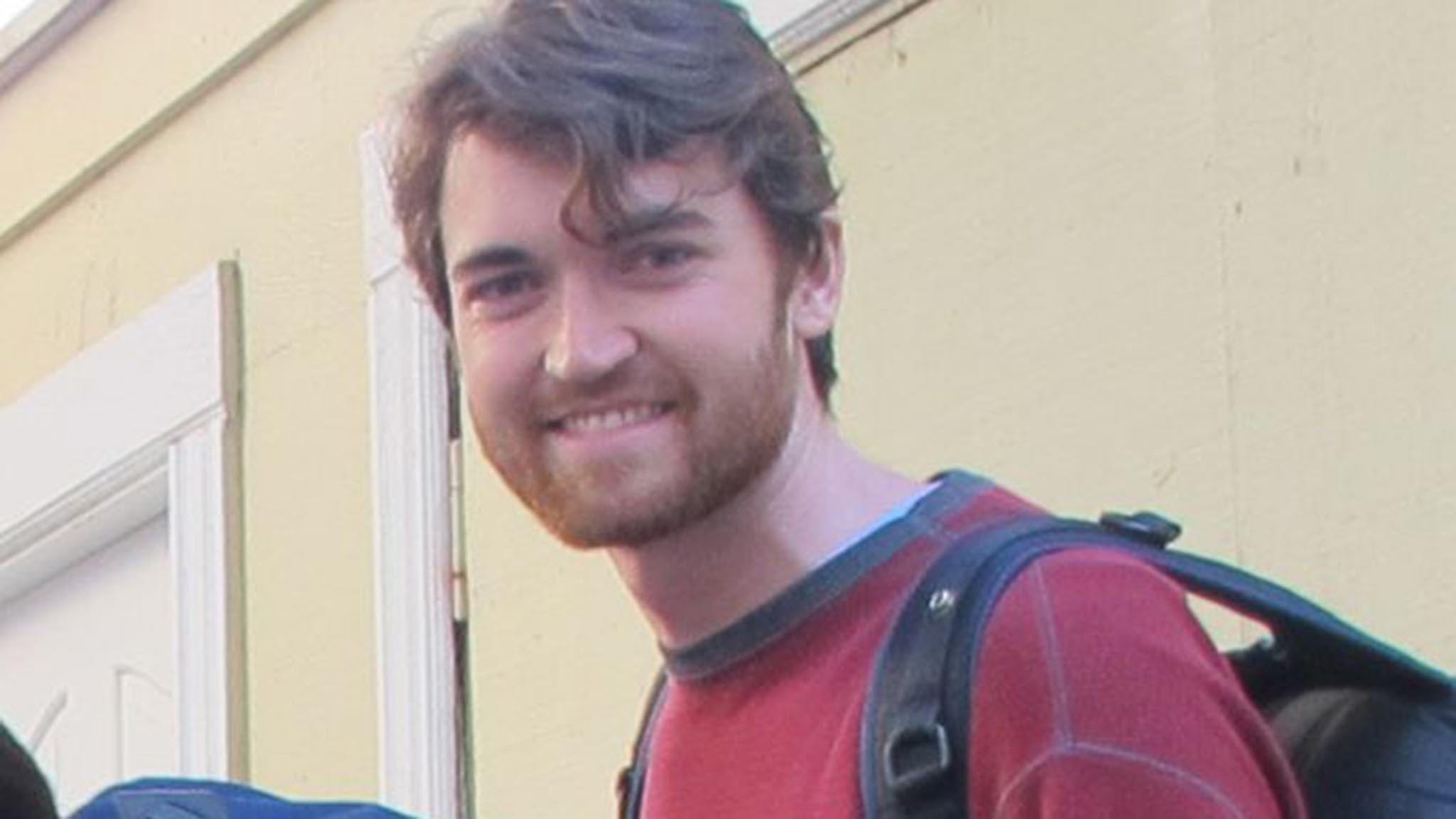
On October 1, 2013, as the price of bitcoin was still hanging around $100, a 29-year-old young man from Austin, Texas entered the Glen Park Library in San Francisco, California. He made his way to the second floor where he found a quiet place to sit down in the science fiction section.
Minutes before he’d arrived, Ross Ulbricht went by his favorite coffee shop but it was too crowded so he made his way to the library instead. Laptop open and online, an employee of his pinged him about some flagged messages on his website that needed review. Looking at him, you wouldn’t know he was responsible for a site that saw billions of dollars pass through it every single day.
Dread Pirate Roberts
Silk Road had become one of the largest darknet marketplaces in the world. Ulbricht’s administrative alias on the site was “Dread Pirate Roberts,” or DPR for short. It was a nod to the film The Princess Bride where several characters all use the same pseudonym in order to disguise their identity and confuse opponents.
For Ulbricht, it was the perfect alias. The site he was running was highly illegal. It was in his best interest to keep his true identity as far from DPR as possible.
Running the Silk Road came with a high degree of paranoia. Not just paranoia about being arrested or having the site shut down by the government, but he also worried about his personal safety and control of his burgeoning empire.
The stress of maintaining the site was getting to him. Ulbricht spent every waking moment fixing bugs and attending to issues. The site was ruining his personal life.
Prior to the Silk Road, Ulbricht had been a standout high school student. He went on to study at the University of Texas at Dallas for undergrad before earning a master’s degree in materials science and engineering from Pennsylvania State University.
Ulbricht lived the life of a normal college student, partying with friends and dreaming up ways to change the world. He started dating Julia Vie and the two fell in love, with her leaving school early to move to Austin with him after his graduation. Ulbricht tried his hand at various jobs, including setting up an online bookstore with a friend.
Obsessed
As time passed, Ulbricht became consumed with his project, eventually hiding it from Vie and his friends. He turned inward, distancing himself from friends and family. Vie and Ulbricht broke up and he moved to San Francisco. There, he became more engrossed in Silk Road than ever before.
Mt. Gox, BitInstant, and Silk Road each began operations in 2011 and found themselves in the middle of a booming bitcoin market by 2013. Ulbricht alone had access to hundreds of thousands of bitcoin at any given time.
End of the Road
As he chatted with the employee on his laptop at the San Francisco library, Ulbricht didn’t pay attention to the man and woman approaching him. The two strangers had gotten into a lovers’ quarrel and were headed in his direction.
The couple made their way behind him and the argument erupted into a fury. Ulbricht stood up to say something. Right then, a man grabbed his laptop.
It was over. The FBI had him. Ulbricht would be put away for life. His arrest didn’t stop others from attempting to revive the darknet site. It also didn’t stop competitor sites from stepping in to fill the void. There was too much money to be made not to.
Within days of Ulbricht’s arrest, the price of bitcoin was on the rise. Investors watched the news around Silk Road unfold, worried about the markets.
Impact on Bitcoin
By December though, bitcoin had rocketed upwards of $1,200, rising over 1,000% in a matter of weeks. The price kept rising despite the fact that its best known exchanges were drowning in incompetence or that Silk Road was a stain on the space.
The Silk Road getting shut down was the beginning of the end to a first chapter in bitcoin’s history. In January 2014, Charlie Shrem was also arrested at JFK Airport while returning from an e-commerce conference. He was charged with operating an unlicensed money transmitting business and failing to report suspicious payment activities to banking authorities.
Shrem had gotten himself indirectly mixed up in the Silk Road, facilitating payments for a customer operating on the darknet site. With Shrem’s arrest, the already failing BitInstant was no more.
Fall of Mt. Gox
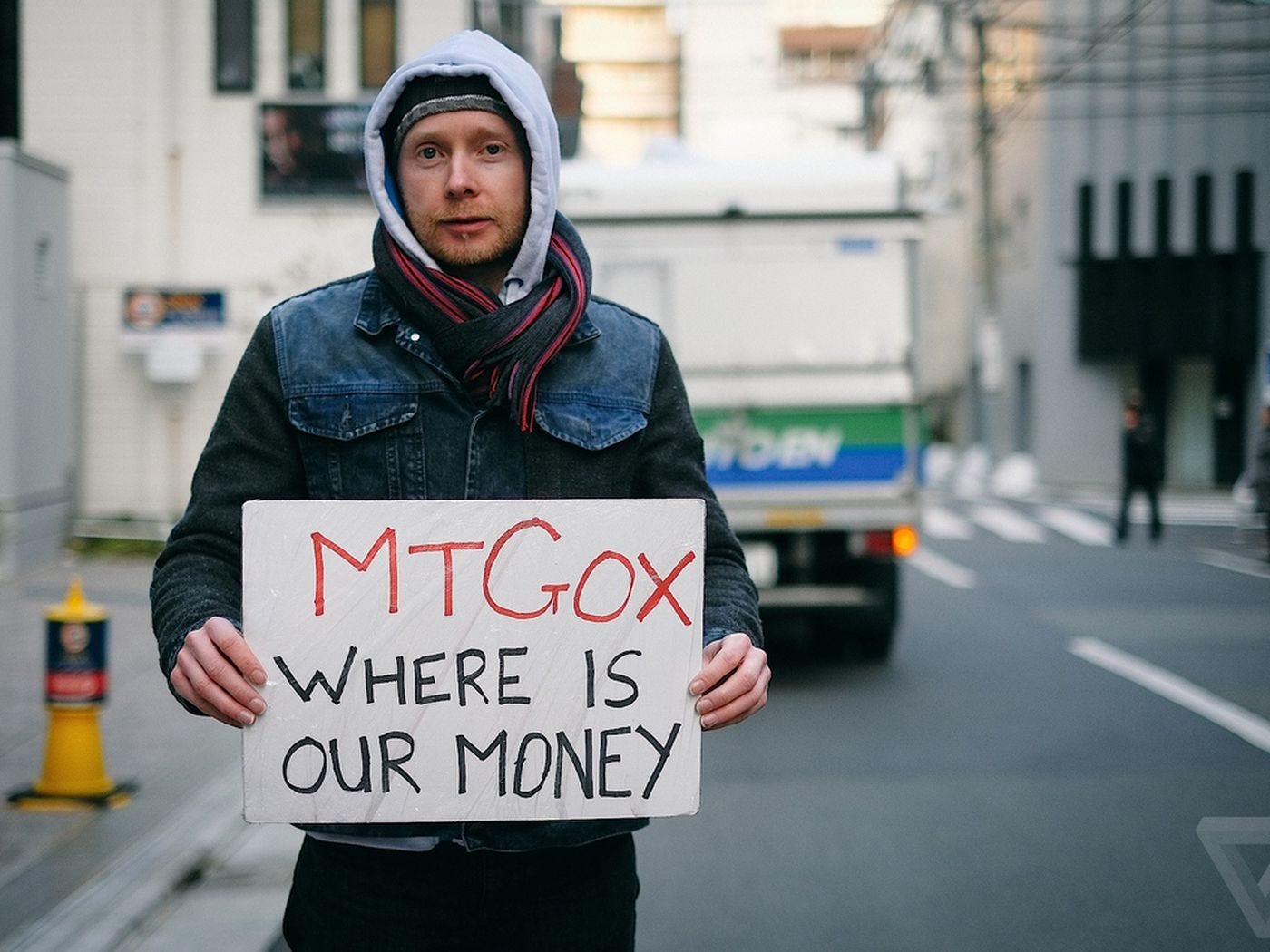
On February 28, 2014, four days after suspending trading, Karpeles and Mt. Gox filed for bankruptcy in a wild turn of events that revealed the exchange was missing roughly 850,000 bitcoin; an amount that, at the time, was worth nearly $500 million.
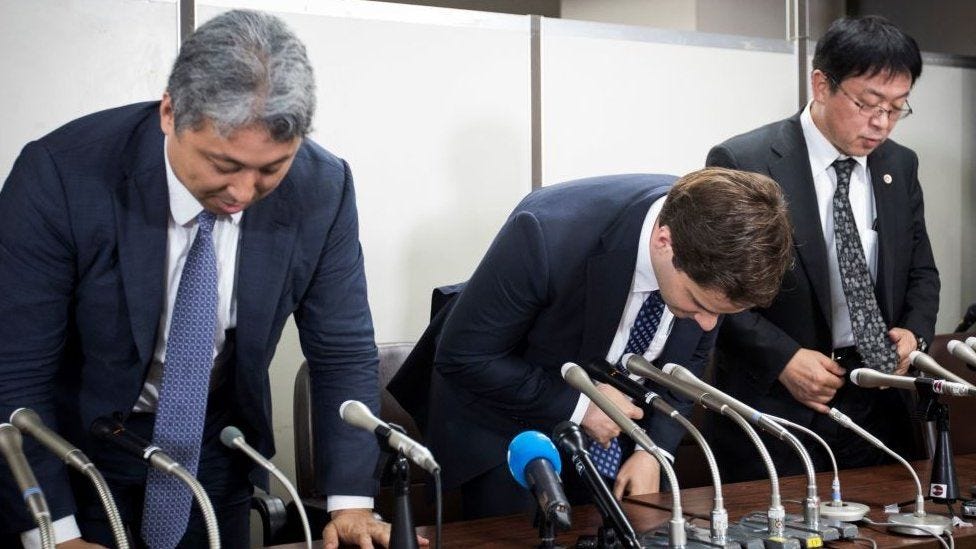
The world was now without two of its biggest bitcoin exchanges but that presented an opportunity for others to take their place.
Next for Bitcoin…
Bitcoin was off to a rocky start.
It had made a name for itself though, complete with a subversive edginess created by its association with the Mt. Gox hacks and websites like Silk Road.
Some, like the Winklevoss twins, were determined to improve bitcoin’s image and the void left by Mt. Gox was a chance to step in and right the ship.
For long term investors, each stumble was another opportunity to make bitcoin better. It was time for bitcoin to grow up and it was, right along with its users…